When Giants Move: What Hapag-Lloyd’s India Bet Really Signals for Global Trade
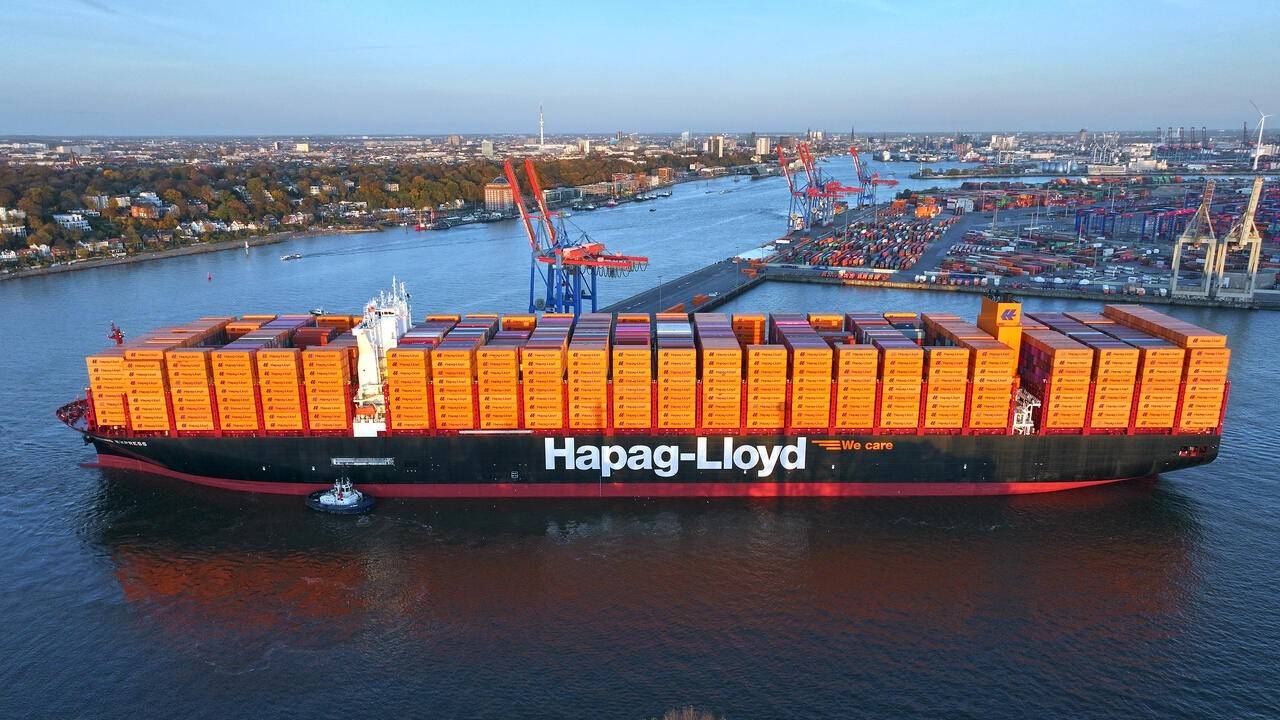
4 ships. 1 port. 100 vessels.
What looks like numbers is actually a strategic shift. When Hapag-Lloyd—operating across 600+ ports globally—partners with the Government of India, it signals long-term confidence, not routine collaboration. The deal includes vessel reflagging under India, a 100-vessel EU-compliant recycling ecosystem, and involvement in Vadhavan Port, a next-gen deep-sea project with JNPA. This is not policy—it’s a supply chain realignment.
India is quietly strengthening three core levers of maritime power: control, compliance, and capacity. Reflagging reduces foreign dependency and can unlock 5–10% cost efficiencies at scale. Upgrading ship recycling (where India already holds 30–35% global share) moves the country into premium, high-trust markets. Meanwhile, with major ports running at 85–95?pacity, Vadhavan—planned for 20+ million TEU capacity—becomes critical infrastructure for future trade growth.
For businesses, this shift will directly impact how cargo moves and what it costs.
What changes:
- Freight routes will realign toward emerging ports
- Transit times may drop by 20–40% with infrastructure upgrades
- Early adopters can gain 10–20?ficiency advantages
- Carrier partnerships will increasingly dictate reliability and pricing
At Exim Transtrade, we leverage strong relationships with global carriers like Hapag-Lloyd to translate these shifts into advantage—through smarter routing, cost optimization, and future-ready supply chain design. The reality is simple: the companies preparing today will control tomorrow’s logistics economics. The rest will adapt late—and pay more.
Suggested Sources for Credibility
- Hapag-Lloyd Official Announcements: https://www.hapag-lloyd.com
- Ministry of Ports, Shipping & Waterways (India): https://shipmin.gov.in
- Jawaharlal Nehru Port Authority (JNPA): https://jnport.gov.in
- UNCTAD Maritime Transport Reports: https://unctad.org
.png)
_-_Copy.png)
.png)