Maritime Decarbonisation Is Here. But Ports Are Stuck in the Past.
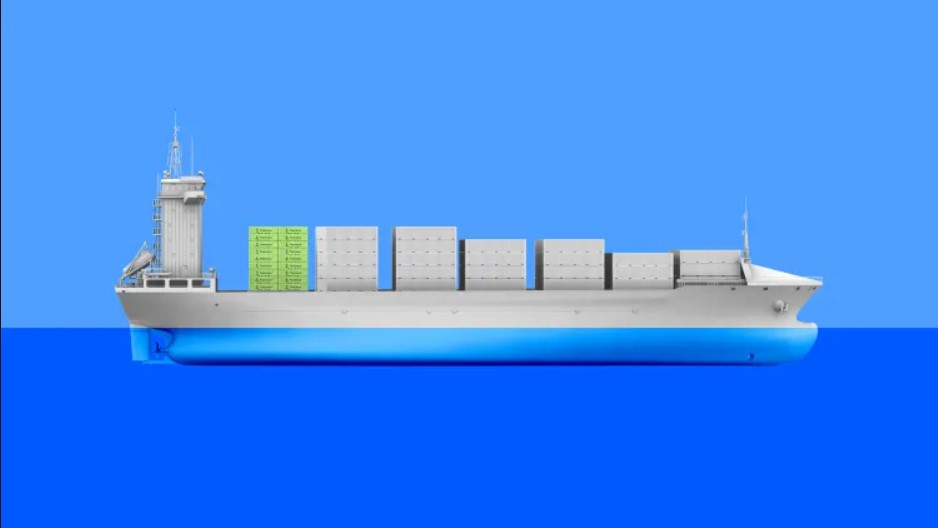
Maritime Decarbonisation Is Here. But Ports Are Stuck in the Past.
A fully electric ferry can cross a fjord in silence.
But when it docks… the real problem begins.
The maritime industry has moved faster than most expected.
- Norway alone operates 70+ electric or hybrid ferries
- Some vessels cut CO₂ emissions by up to 95%
- Battery costs have dropped nearly 80% in the last decade
Ships are no longer the bottleneck. Ports are.
Maritime decarbonisation has accelerated faster than expected, with electric and hybrid vessels already operating at scale in regions like Scandinavia. Some ferries today reduce emissions by up to 90-95%, and with battery costs down nearly 80% over the past decade, the technology is no longer experimental, it’s operational. The real bottleneck has quietly shifted from the sea to the shore.
Ports, however, were never designed for this shift. Built for a diesel era, they now face a new kind of demand—high-capacity, rapid charging that can reach 5–20 MW per vessel, equivalent to powering thousands of homes in a short burst. Supporting this requires far more than installing chargers. It means rebuilding energy systems-substations, transmission lines, and grid buffers, often costing $50 million to $500+ million per terminal and taking years to implement.
The problem is compounded by physical and regulatory constraints. Ports are tightly bound by urban development and environmental regulations, leaving little room for expansion. Even traditional solutions like dredging are facing increasing resistance. This creates a growing mismatch: ships are evolving rapidly, while port infrastructure remains slow, expensive, and constrained.
In response, the industry is beginning to look beyond the port itself. Offshore charging hubs, floating energy platforms, and distributed coastal systems powered by wind, solar, and hydrogen are emerging as alternatives. These models shift energy demand away from congested ports and turn coastlines into extended infrastructure, offering flexibility where land cannot.
For logistics, this shift is critical. Infrastructure gaps don’t stay local, they ripple across supply chains, affecting timelines, costs, and reliability.
At Exim, navigating this transition means anticipating where disruptions will occur and aligning with ports and partners that are adapting faster. Because in the end, this isn’t just about cleaner shipping it’s about ensuring global trade continues to move efficiently in a system that is rapidly being redefined.
International Energy Agency (IEA)
“International Shipping – Tracking Clean Energy Progress”
https://www.iea.org/reports/international-shipping
European Maritime Safety Agency (EMSA)
Sustainable and Smart Shipping report
https://www.emsa.europa.eu
International Association of Ports and Harbors (IAPH)
Onshore Power Supply & port energy transition
https://www.iaphworldports.org
Offshore Renewable Energy Catapult (UK)
https://ore.catapult.org.uk
IRENA (International Renewable Energy Agency)
Battery cost trends and energy transition data
https://www.irena.org
.png)
.png)
_-_Copy.png)